

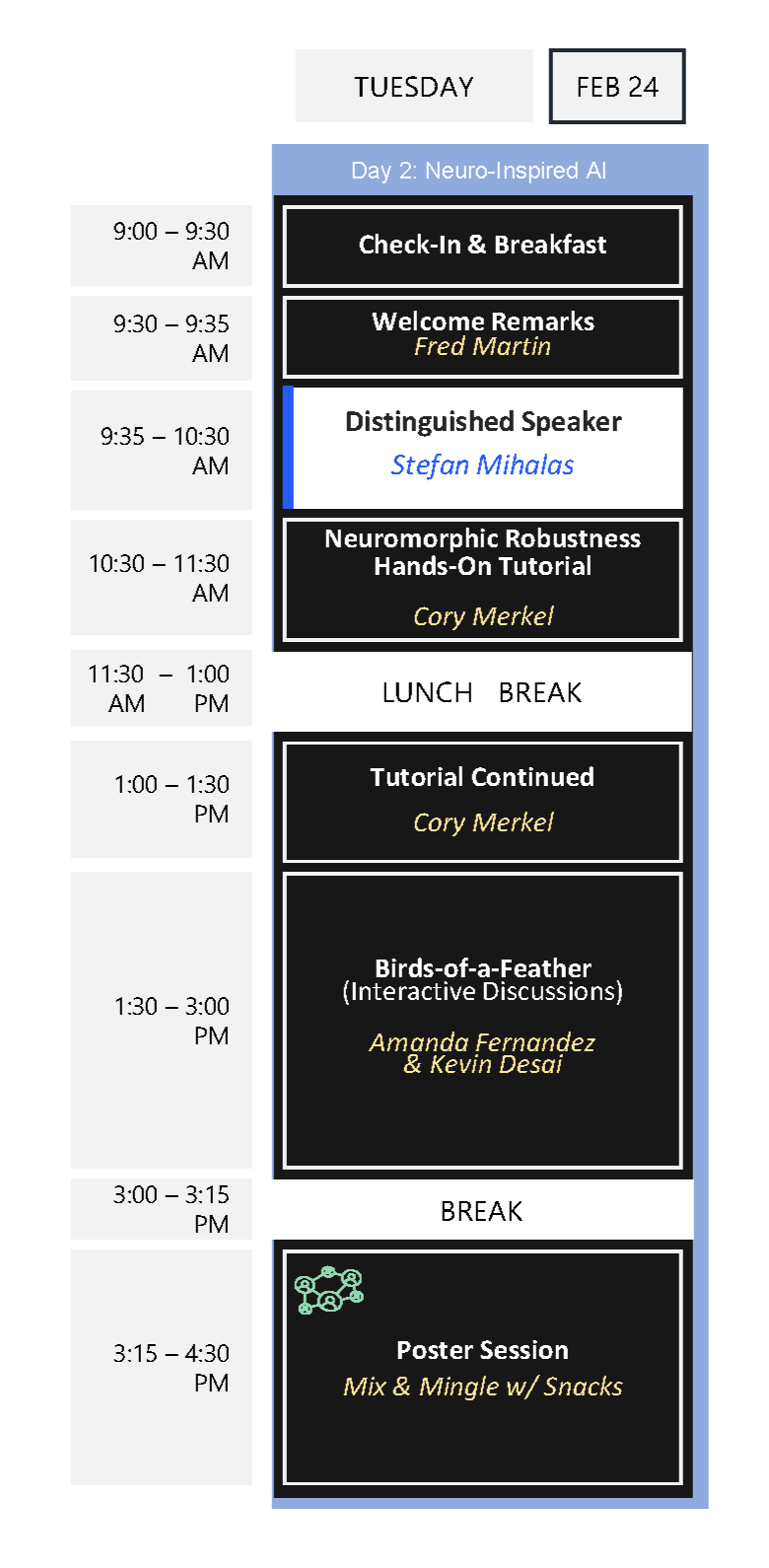
Date: February 24, 2026
Time: 9:30 – 10:30 AM
Institution: Allen Institute
Presentation Title: Computing with Complex Components: How Heterogeneous, Nonstationary and Noisy Neurons and Synapses Contribute to the Brain’s Computational Power
Biography:
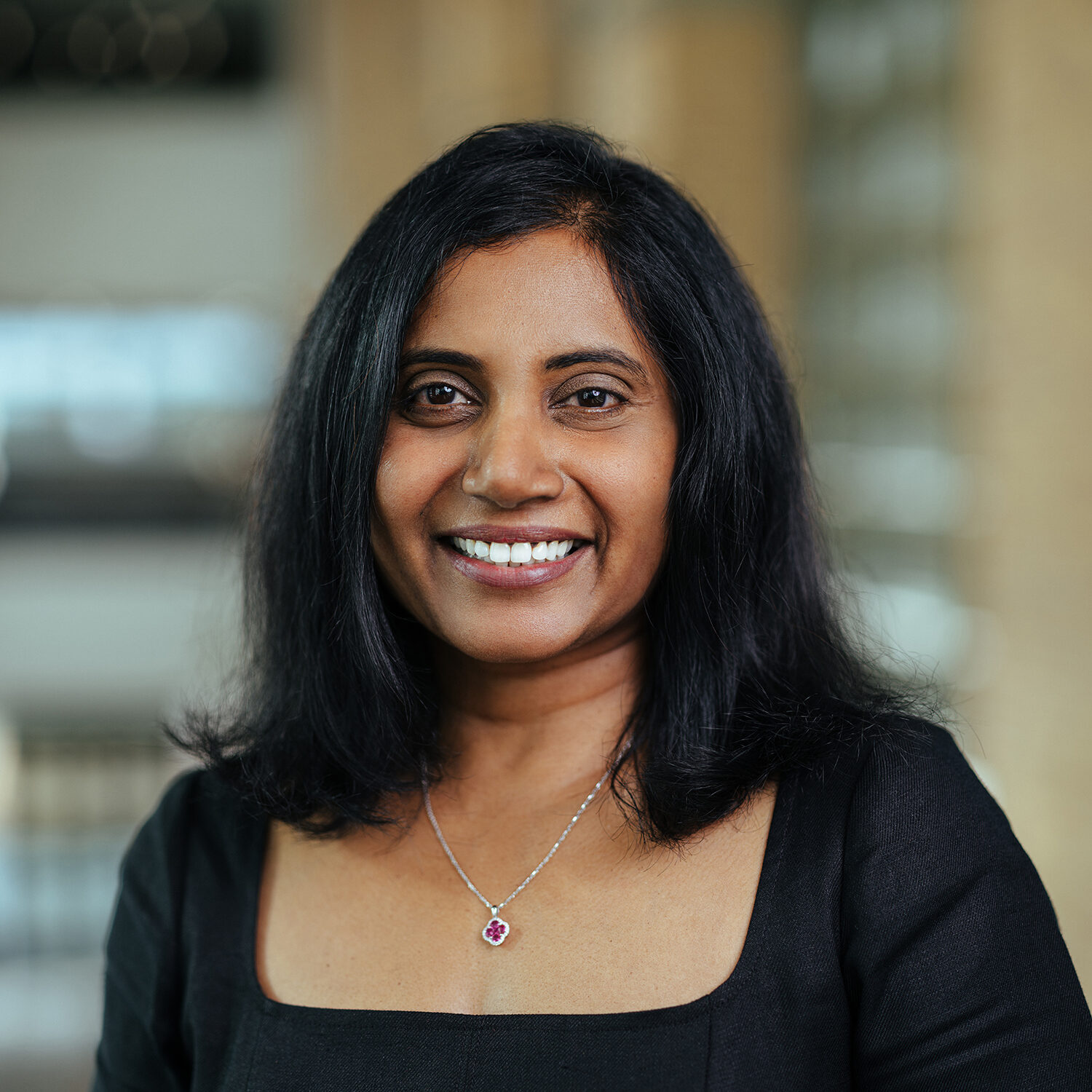
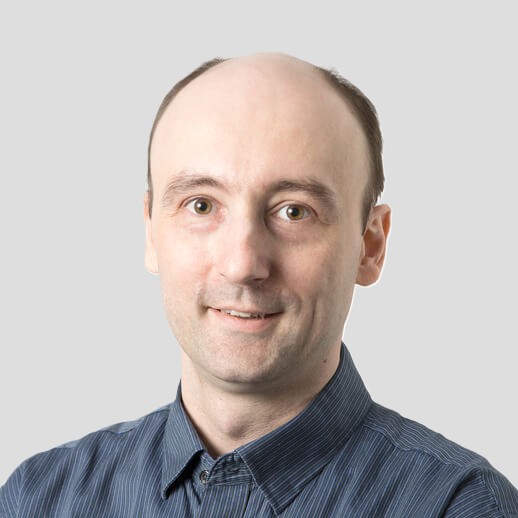
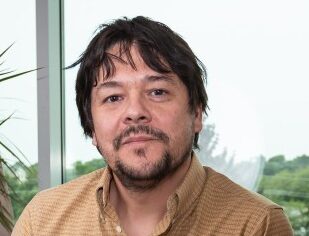
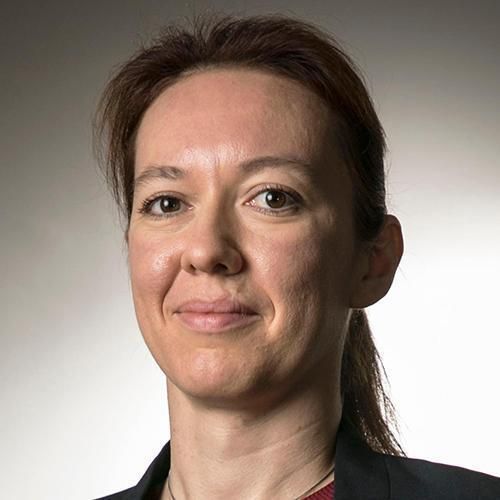
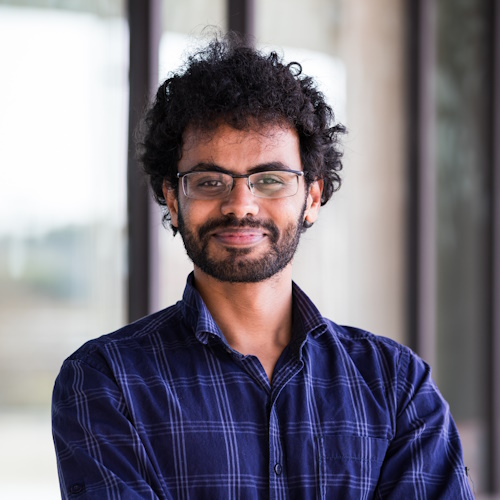
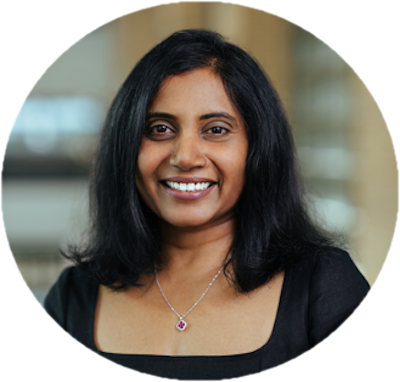
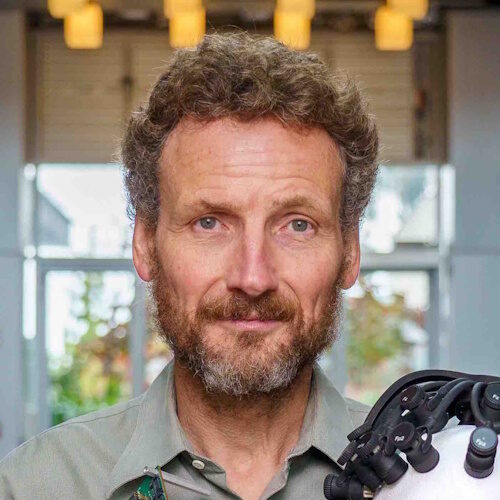
Mihalas joined the Allen Institute in 2011 from Johns Hopkins University, where he was a postdoctoral fellow in neuroscience and subsequently an associate research scientist. As a computational neuroscientist, Mihalas has worked on models of both molecular and systems neuroscience including nervous system development, synaptic plasticity, minimalistic spiking neuron models, self-organized criticality, visual attention and figure ground segregation. His current research interests are aimed at building models to elucidate how large networks of interacting neurons produce cognitive behaviors. At the Allen Institute, Mihalas integrates anatomical and physiological connectivity data to generate models of visual perception in the mouse. To this end, he works to build a series of models of increasing complexity for both individual components, i.e., neurons, synapses, and microcircuits, as well as for large portions of the entire system. This series of models will be compared to the simplified theoretical predictions from statistical physics, information theory and computer vision. Mihalas received his Diploma in physics and M.S. in mathematics from West University of Timisoara in Romania. He received his Ph.D. in physics from the California Institute of Technology.
Institution: University of Texas at San Antonio
Biography:
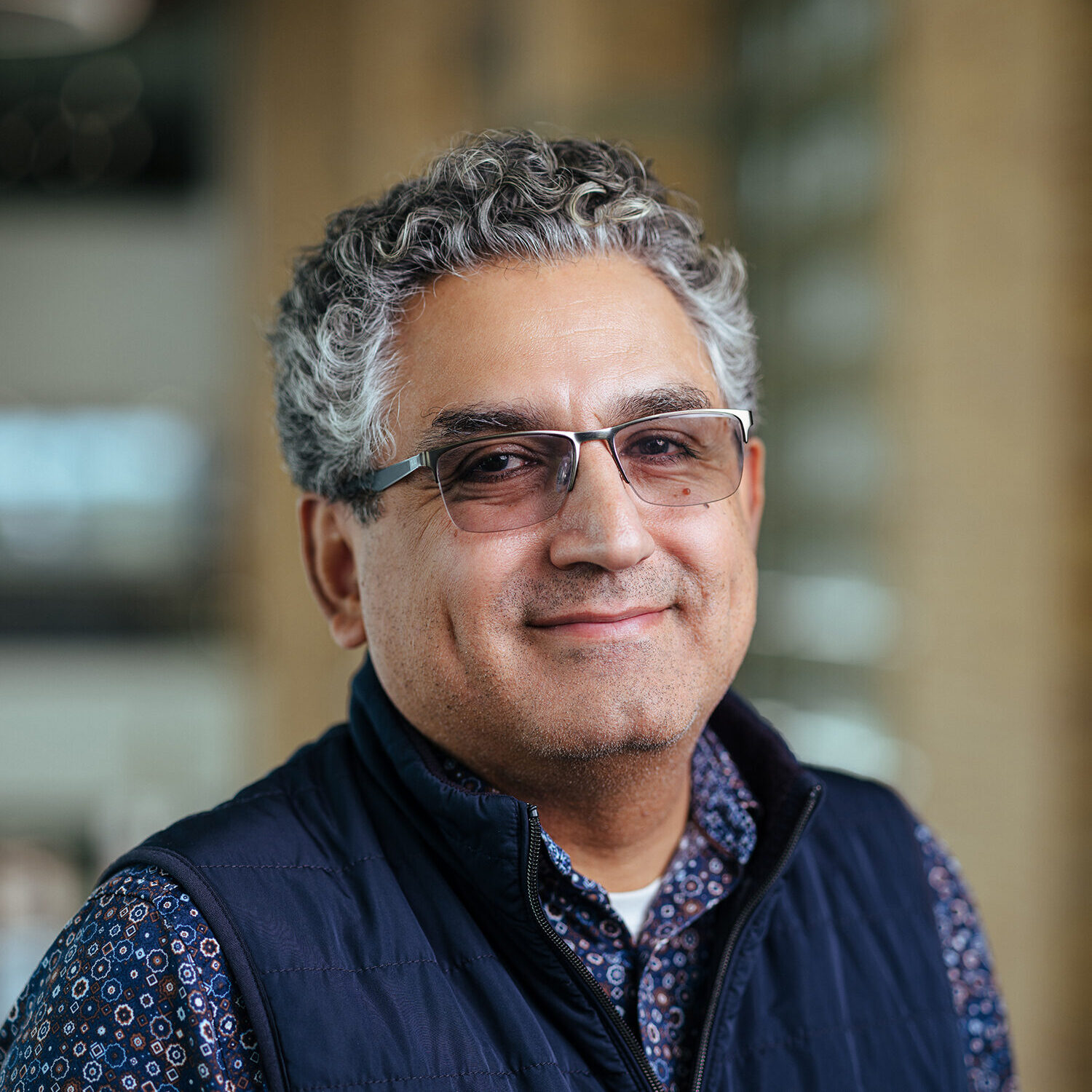
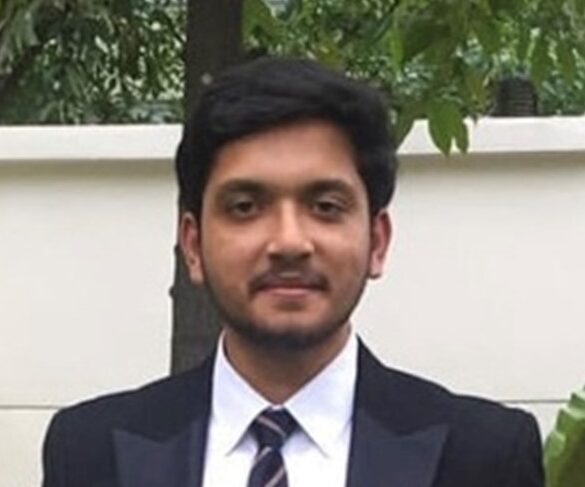
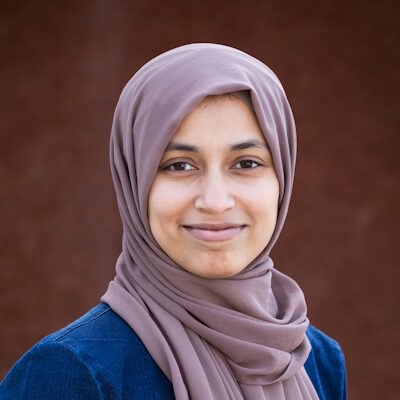
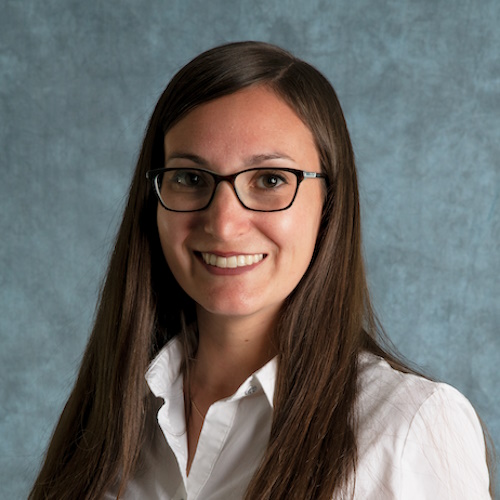
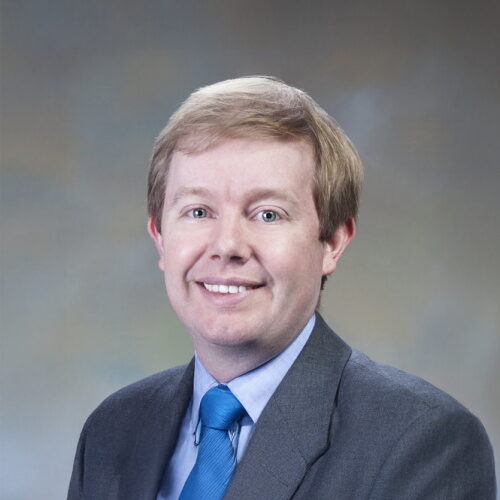
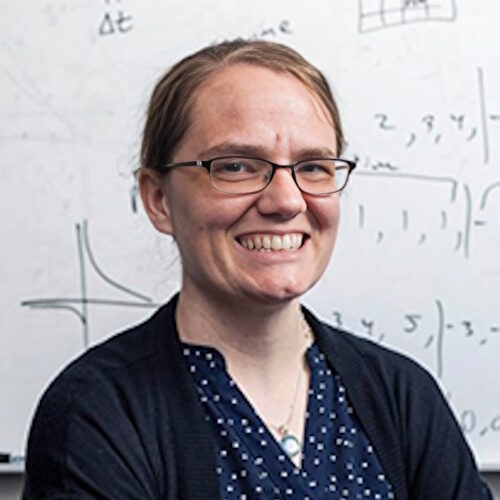
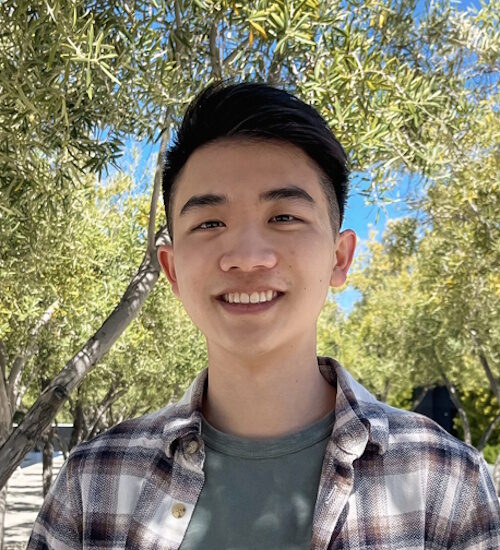
Dr. Amanda Fernandez is an Associate Professor in the Department of Computer Science at the University of Texas at San Antonio, and a Kay & Steve Robbins Faculty Teaching Fellow. She serves as a MATRIX AI Consortium Thrust co-Lead for Machine Learning & Deployment, and as the Faculty Advisor to the ACM-W and GDSC student organizations. Dr. Fernandez’s research focuses on optimization of deep learning architectures and training paradigms to improve efficiency, accuracy, and interpretability, with applications spanning AI for science, including materials characterization, nuclear security, and multimodal data fusion. Her research is supported by the National Science Foundation, U.S. Department of Energy, and U.S. Department of Defense. Prior to joining UT San Antonio, she worked for a decade in industry as an enterprise software engineer and machine learning researcher. Fernandez is a Senior Member of IEEE and the National Academy of Inventors, holding 22 U.S. patents. She completed her B.S. in Computer Science at Siena University and her M.S. and Ph.D. in Computer Science at the University at Albany, State University of New York.
Institution: University of Texas at San Antonio
Biography:
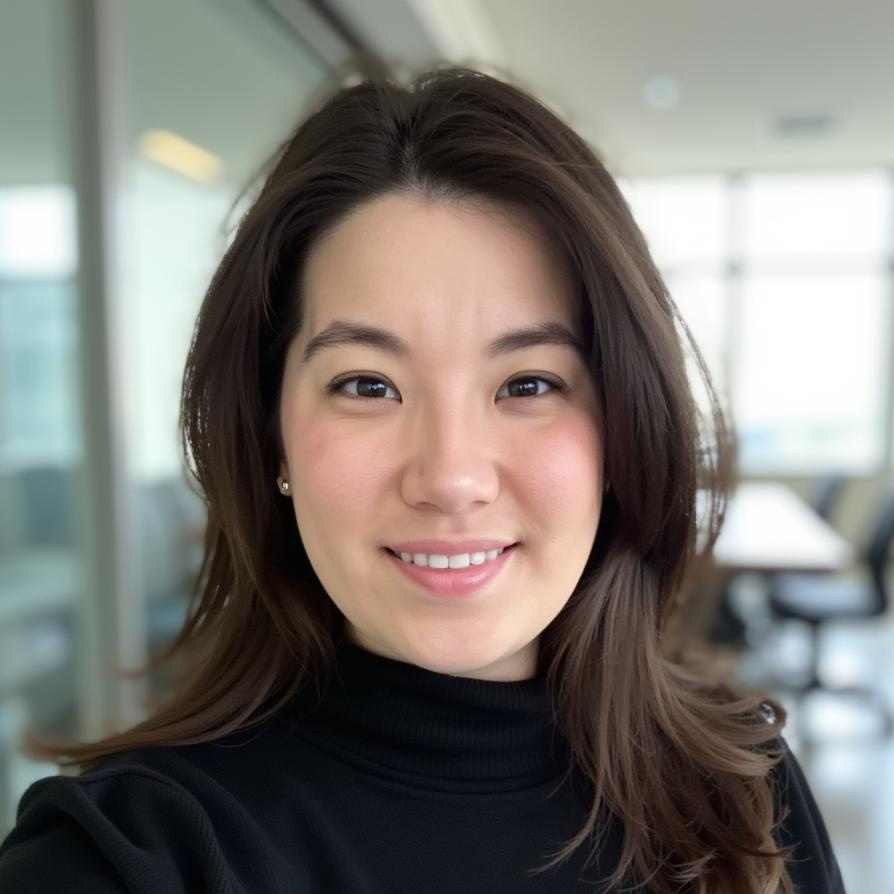
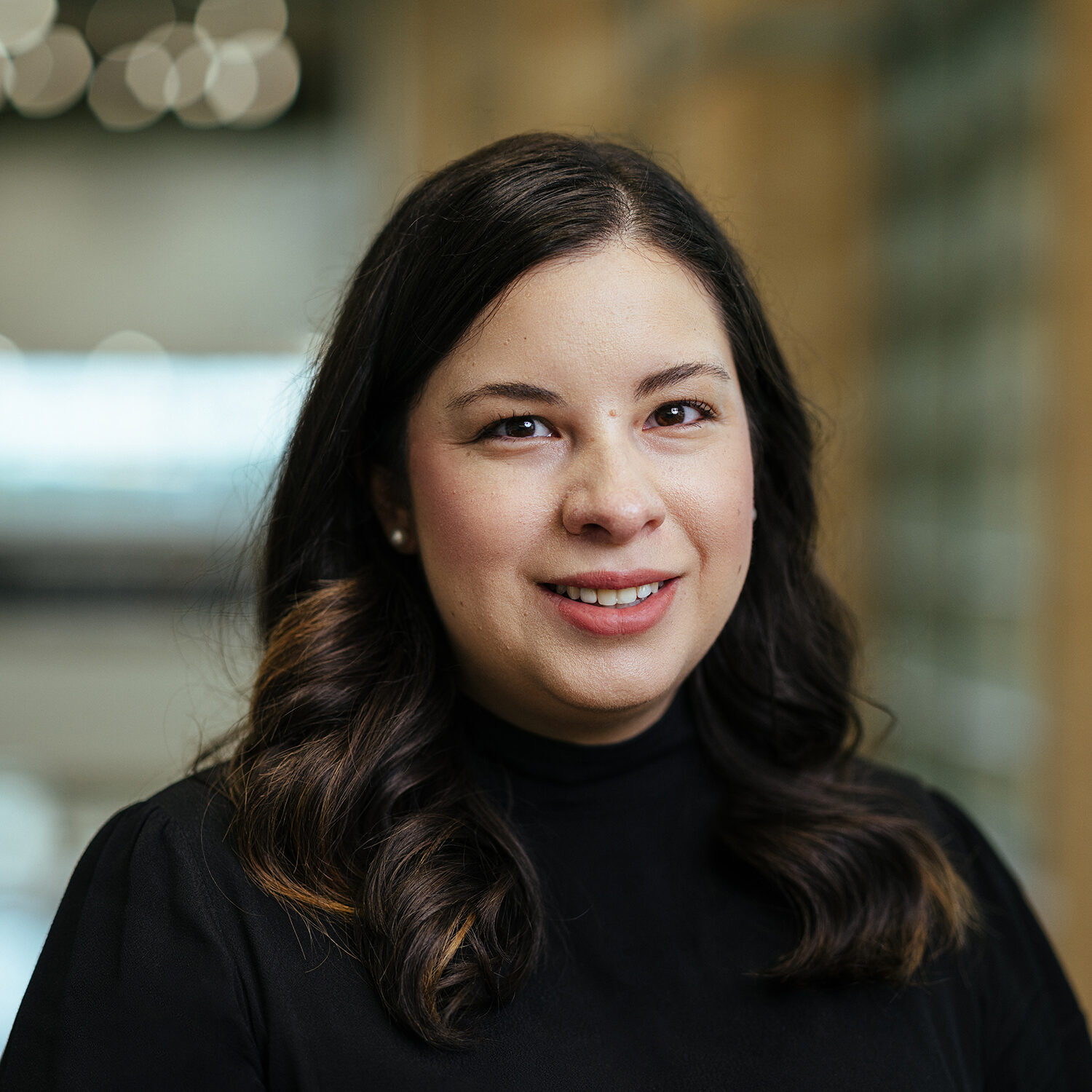
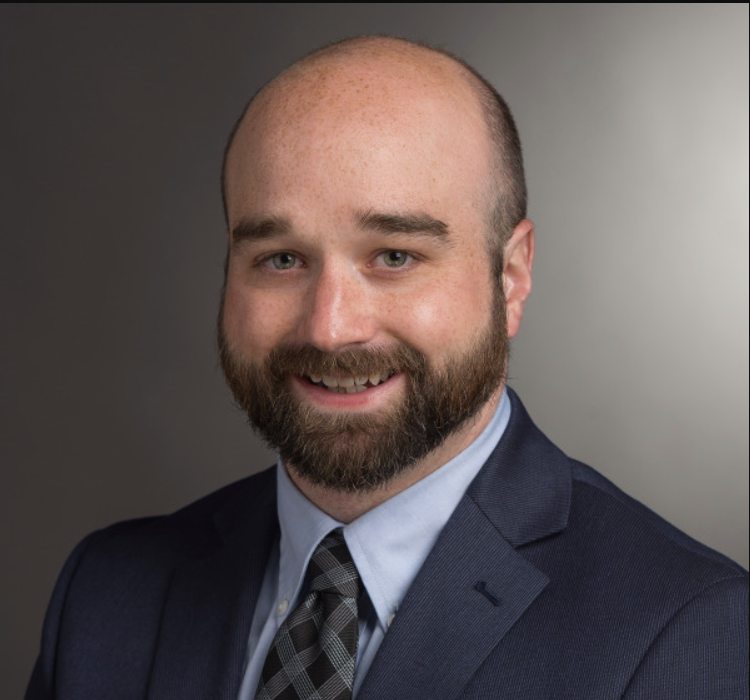
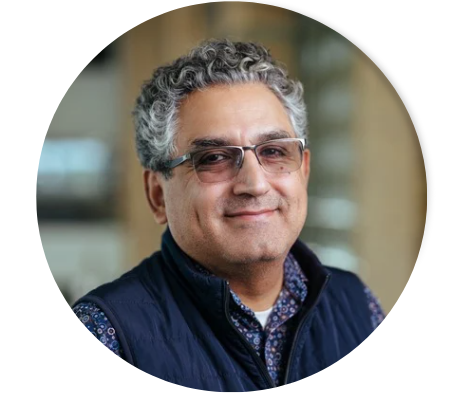
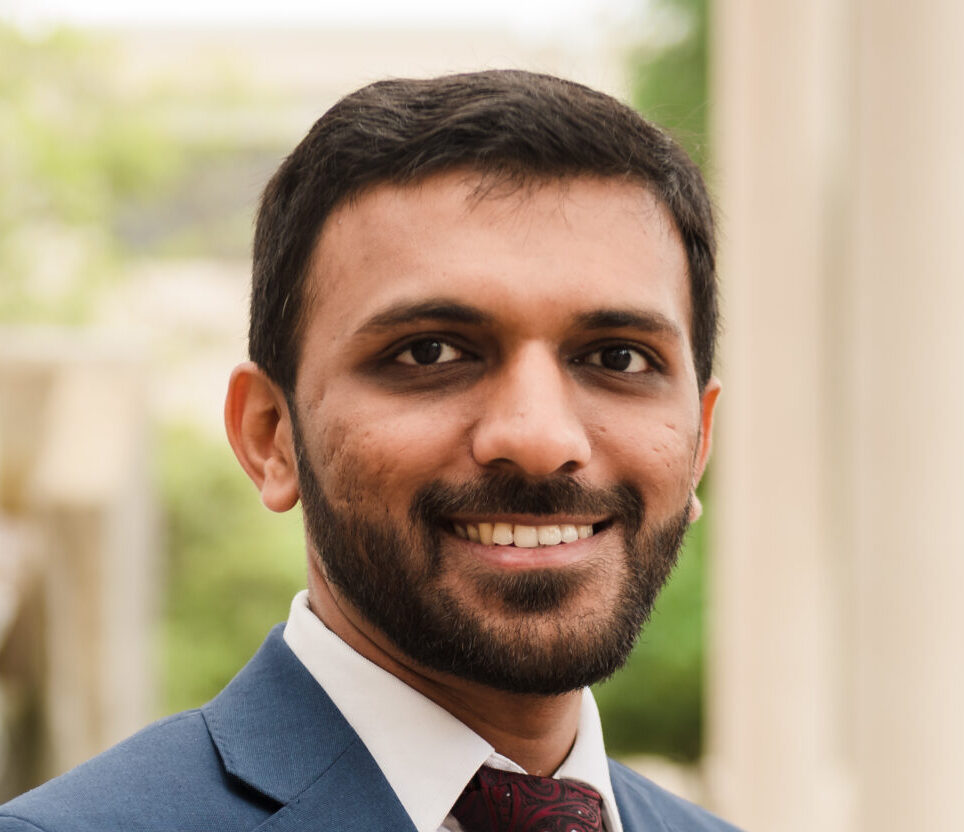
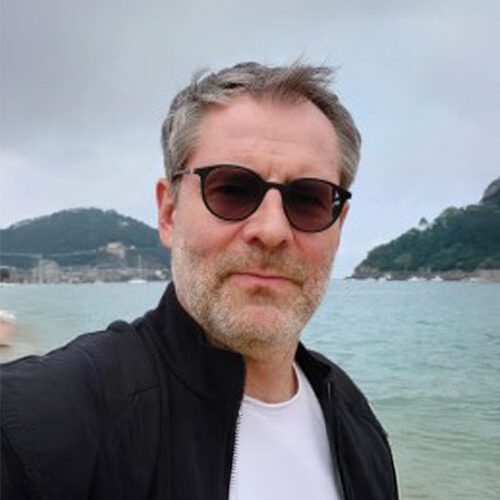
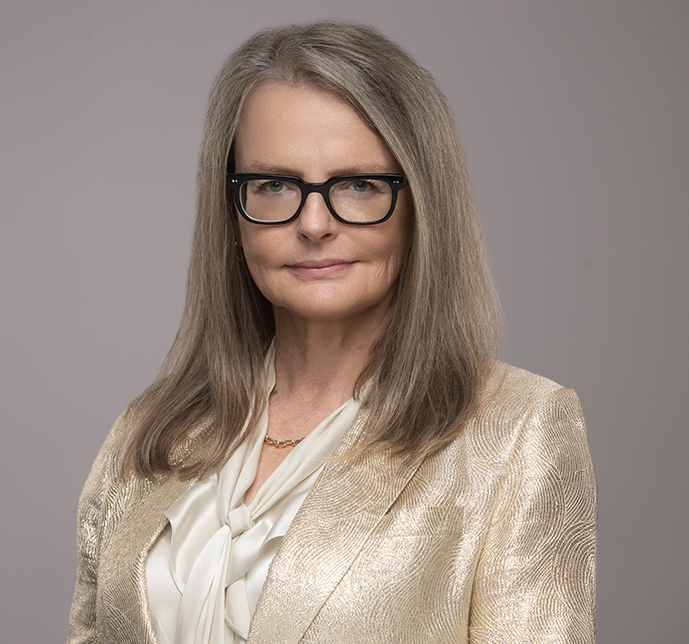
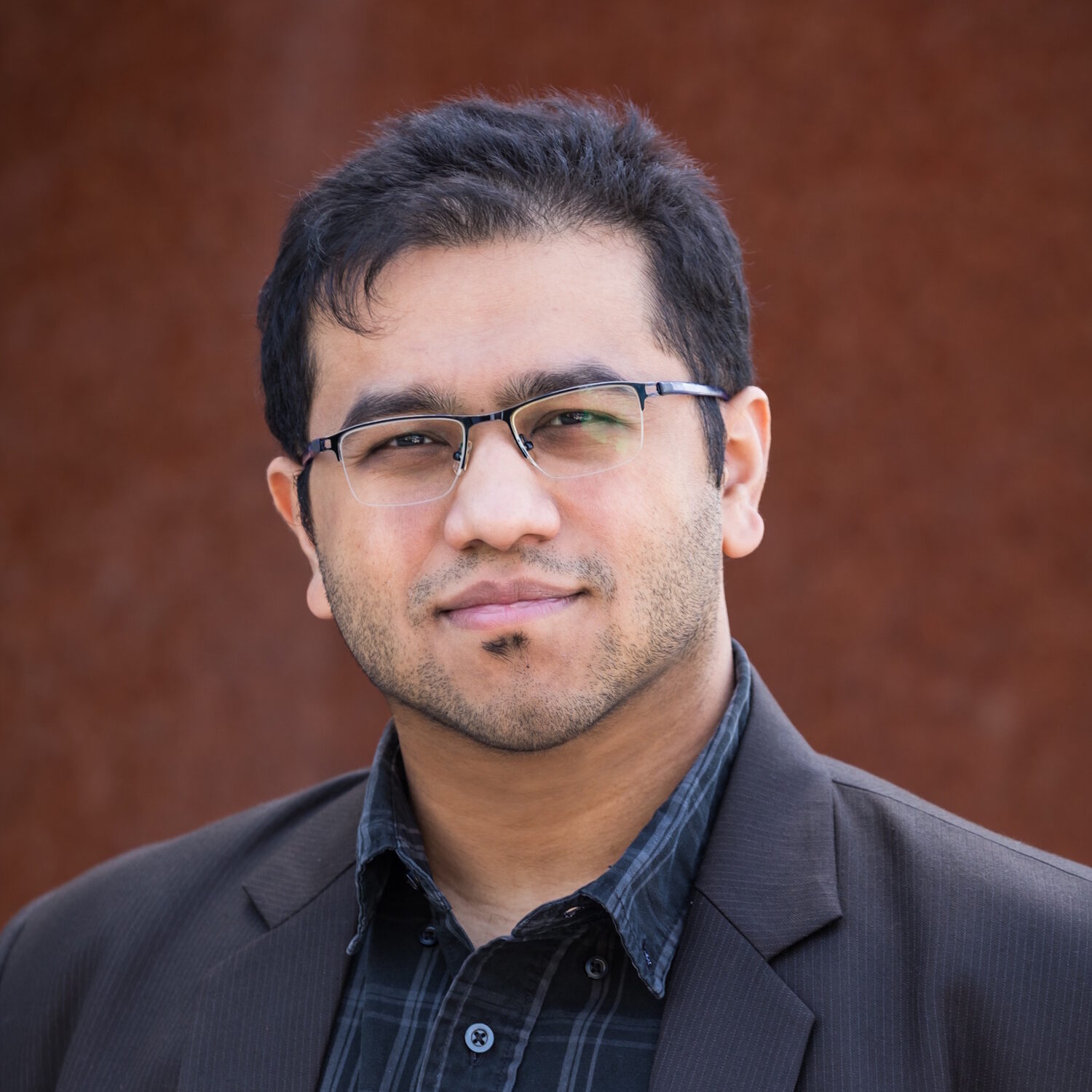
Dr. Kevin Desai is an Assistant Professor of Instruction in the Computer Science department at the University of Texas at San Antonio. He received his PhD degree in Computer Science from The University of Texas at Dallas (UTD) in May 2019. He also received his MS in CS from UTD in May 2015, whereas his Bachelor of Technology in Computer Engineering from Nirma University (India) in June 2013. Dr. Desai’s research experience and interests are in the fields of Computer Vision and Immersive (Virtual / Augmented / Mixed) Realities with applications in the domains of healthcare, rehabilitation, virtual training, and serious gaming. He conducts interdisciplinary research which mainly revolves around the real-time capture and generation of 3D human models and their incorporation in collaborative 3D immersive environments. His research has been supported through various funding, specifically, the NSF CISE Research Initiation Initiative (CRII) award, one NSF small award, two NSF medium awards, and multiple other local / internal grants. Dr. Desai’s work has been published in peer-reviewed international conferences in the fields of computer vision (e.g., CVPRW, WACVW, ICIP, VISAPP), VR / AR / MR (e.g., VR, ISMAR, DIS), and Multimedia (e.g., MMSys, ISM, BigMM, ICME). He also serves as a program committee member and reviewer for top-tier international journals and conferences in IEEE, ACM, and Springer.
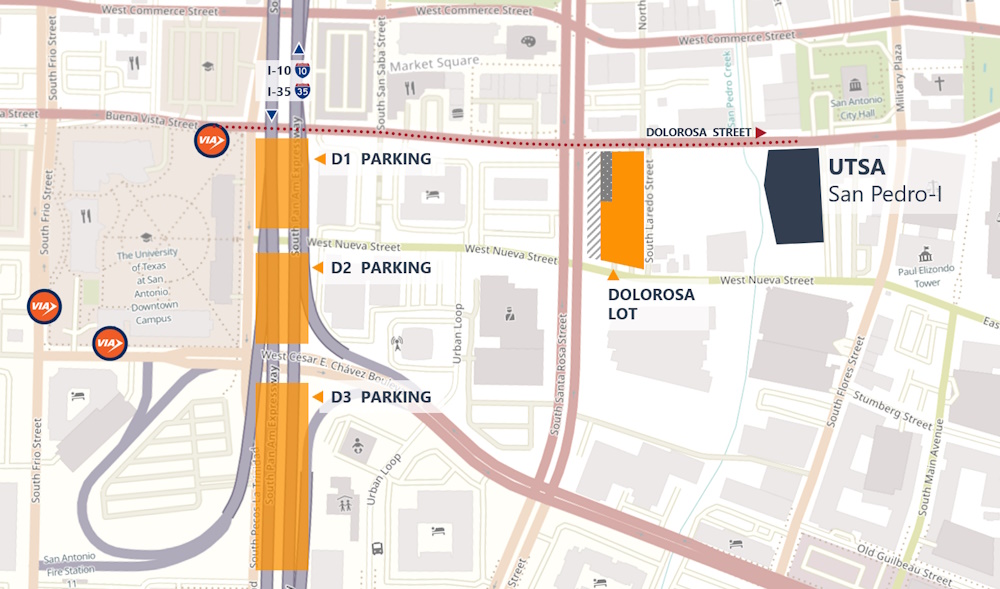
Where to Park
You can park for free in any of the following lots:
Dolorosa Lot is the closest parking lot to San Pedro I building. You can park in any unmarked spot (Please do not park in spots labeled ‘Dolorosa Permit’).
D1, D2, & D3 Lots are located under I-10. UTSA permit holders may park in any unmarked spot.
VIA Bus
Need transportation from main campus to downtown?
You can board the VIA Bus!
Board the 93 Bus for UTSA / Crossroads P&R / Downtown at the UTSA Campus Oval and get off at the Dolorosa Opposite Plaza De Armas stop (this stop is directly in front of the San Pedro I building).
UTSA Students can sign up for a free VIA bus pass here:
Little Runner
Get an on-demand ride from your hotel to San Pedro I through the Little Runner! Book a ride through the Via Link mobile app.
UTSA students, faculty, and staff can use this service for free with their VIA U-Pass.
Non pass-holders pay only $1.30 per ride.
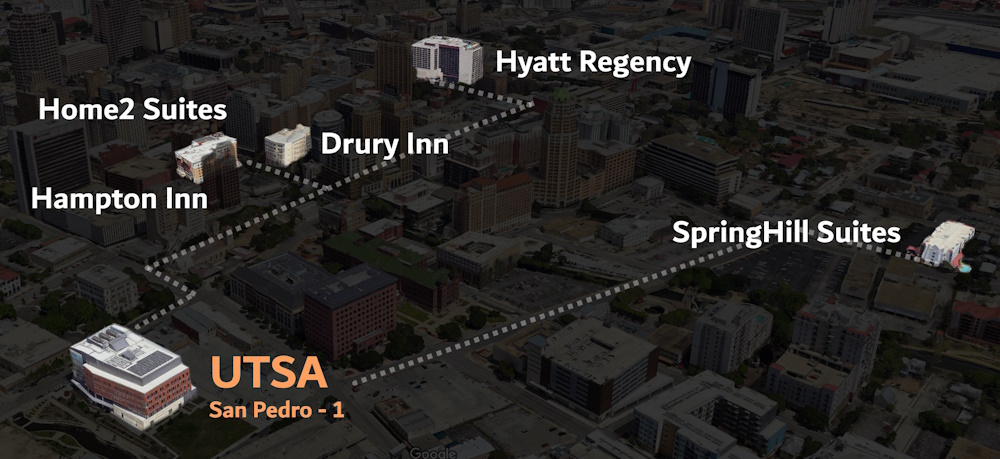
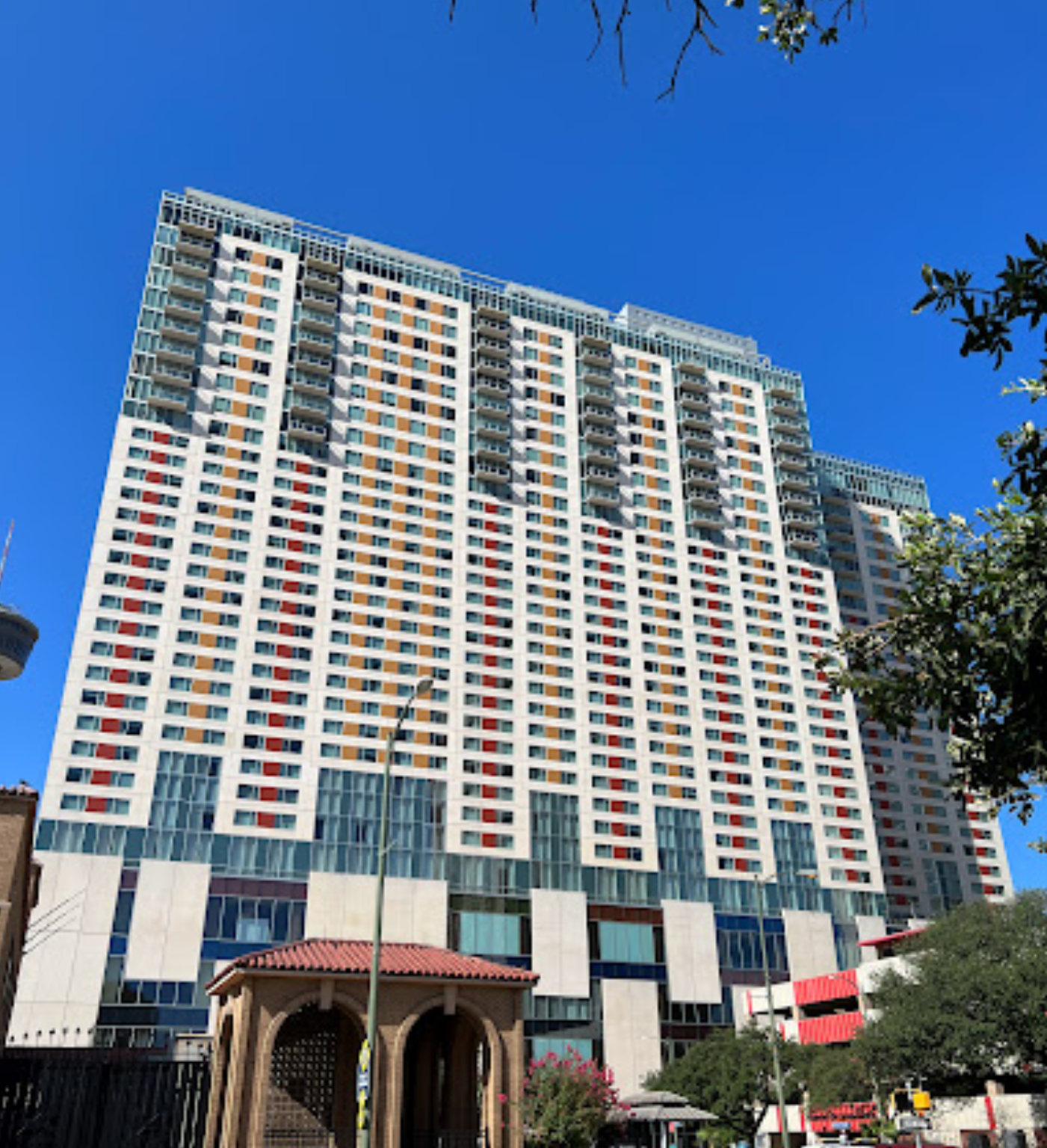
The six listed hotels offer a discounted rate in partnership with UT San Antonio.
Follow the instructions below to claim these rates while rooms are available.
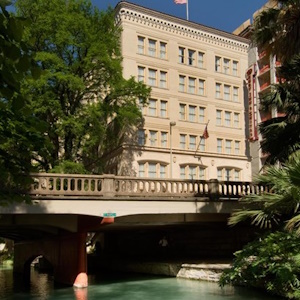
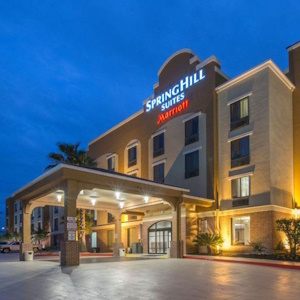
More Hotels Nearby: 3 & 4-Star Options ▼