Welcome to the Identification & Remediation of Delays to Definitive Care of Critically Injured Patients in the Texas Trauma System with Advances in AI to Improve Care for Trauma (iRemedyACT) project—an innovative initiative aimed at transforming trauma care through advanced machine learning and AI tools. By creating a centralized, AI-ready data repository for high-dimensional, multi-modal trauma data, we empower clinicians to make swift, informed decisions and deliver personalized patient care. Our platform provides accessible AI tools, including large-language models and interactive visualizations, to help researchers and medical professionals analyze trauma data and enhance care protocols.
iRemedyACT consists of three key initiatives:
◆ BEACON (Bedside Emergency AI for Care Orchestration) – BEACON, a UT Real Health AI Moonshot pilot project, brings clinicians, engineers, AI researchers, and startup partners together to support faster emergency decisions, and better recovery after trauma, brain injury, and stroke through testing and optimizing technologies developed by the iRemedyACT team.
◆ Trauma Care Policy Decision-Maker – This AI-driven system identifies disparities in fatality rates, ICU time, and care delays across different trauma care levels. By modeling the impact of trauma system policies and regional designations, it predicts and displays real-time results when new policies are introduced. This enables data-driven decision-making for policymakers, helping to optimize resource allocation and improve patient outcomes statewide.
◆ Real-Time Trauma Care Assistant – This AI-powered assistant provides live, voice-assisted recommendations at the point of care, integrating real-time data from biometric devices, traffic patterns, weather conditions, and hospital capacity. By leveraging multimodal AI models, it helps first responders and trauma clinicians make critical care decisions, minimizing delays and improving survival rates for severely injured patients.
◆ BEACON (Bedside Emergency AI for Care Orchestration) – BEACON, a UT Real Health AI Moonshot pilot project, brings clinicians, engineers, AI researchers, and startup partners together to support faster emergency decisions, and better recovery after trauma, brain injury, and stroke through testing and optimizing technologies developed by the iRemedyACT team.
◆ Trauma Care Policy Decision-Maker – This AI-driven system identifies disparities in fatality rates, ICU time, and care delays across different trauma care levels. By modeling the impact of trauma system policies and regional designations, it predicts and displays real-time results when new policies are introduced. This enables data-driven decision-making for policymakers, helping to optimize resource allocation and improve patient outcomes statewide.
◆ Real-Time Trauma Care Assistant – This AI-powered assistant provides live, voice-assisted recommendations at the point of care, integrating real-time data from biometric devices, traffic patterns, weather conditions, and hospital capacity. By leveraging multimodal AI models, it helps first responders and trauma clinicians make critical care decisions, minimizing delays and improving survival rates for severely injured patients.
We believe AI has the potential to revolutionize trauma care and significantly improve outcomes for critically injured patients. Join us as we pave the way for a new era in trauma care, harnessing AI to streamline system coordination, reduce preventable deaths, and enhance long-term recovery outcomes!
Our Team
Principal Investigators




AI Engineering Team Leads
Clinical Data Coordination Team Leads
Members
Gloria Manavi
Graduate Researcher
UT San Antonio
Jayanta Dey, PhD
Postdoctoral Fellow
UT San Antonio
Audrey Gray, MA
Strategic Communications Coordinator
UT San Antonio
Brandi Pero, RN, BSN
Case Manager
UT Health Tyler
Daniel Smerin, MD
Neurology Resident
UT Health San Antonio
David Limon, MD
Trauma Care Resident
UT Health Trauma & Resilience Center
Jules Henry, MS, MID
Special Projects Manager
UT San Antonio
Lisa Bush, MS, CIP
Associate VP of Research
UT Tyler
Lucia Nguyen, MD
Trauma & Acute Care Surgeon
UT Rio Grande Valley
Matthew Kenwood
Neurology Researcher
UT Health San Antonio
Meghan Rueda, PhD
Research Administrator III
UT San Antonio
Mignon Dumanjog, MS
AI in Health Program Coordinator
UT San Antonio
Sarah Pham, MD
Allergy & Immunology Specialist
UT Medical Branch
Stacy Cantu, MPH
Associate Operations Director
UT San Antonio
Steven Wolf, MD
Professor & Division Chief
UT Medical Branch
iRemedyACT in the News

04/28/2026
Three UT San Antonio researchers honored with inaugural Texas Innovation Awards
09/19/2025
AI and health: UT San Antonio to host symposium advancing the next wave of life-saving technologies
02/06/2025
UTSA researchers develop AI tools to improve health care
08/22/2024
Hand-in-hand: UTSA, UT Health SA, and UT Tyler receive $1M to enhance trauma care using AI
07/26/2024
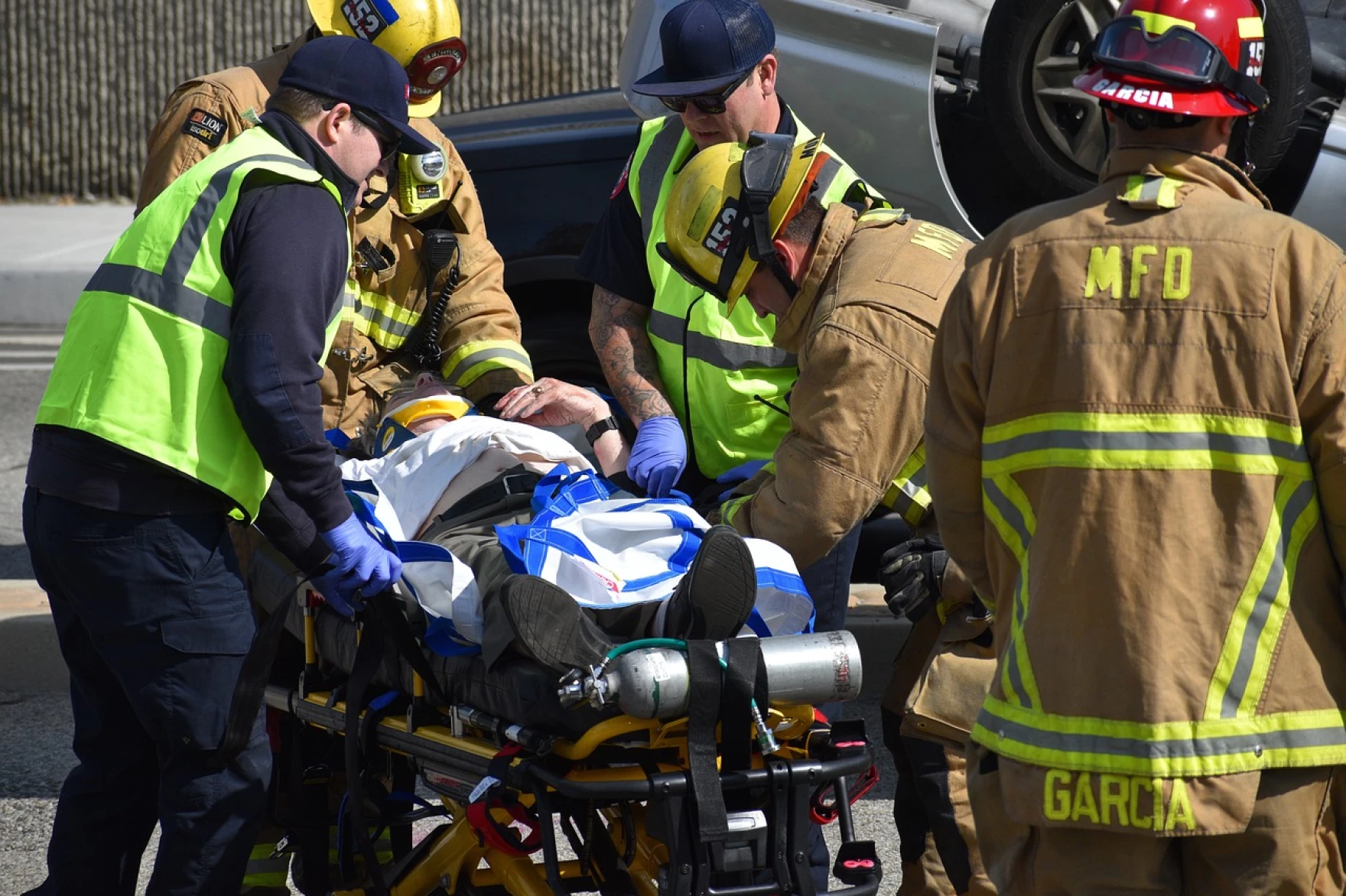
Petrie Dish: UTSA developing AI tool to expedite patient care in trauma emergencies